
You wished for this: Major Obsession spoilers ahead.
Obsession is creepy. Unsettling. Terrifying. Uncomfortable. There aren’t enough adjectives, and I’m not going to waste your time repeating what’s already been said about 2026’s surprise horror masterpiece.
But what we aren’t saying enough about Obsession – a movie with a budget under $1 million, now anticipated to gross $250 million – is that its biggest horrors aren’t the typical dark, mysterious, and unpredictable scares (though it does have plenty of those). Instead, it forces us to confront what we do know, deep within ourselves: our own – often messed up – understandings of love.
At 26 years old, director Curry Barker had a clear vision for this film, and he has audiences in the palm of his hand. After becoming the rare film this century to outdo its opening weekend, its third weekend outdid the second. Audiences – mostly under the age of 30 – are going back for repeat watches, and they’re all telling their friends about it. It’s clear they’re relating to it deeply, and for a generation navigating relationships in a digital age, they’re finding it has a lot to say.
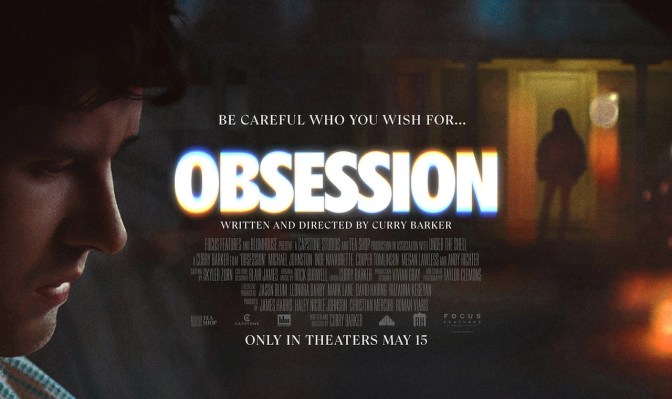
Obsession immediately sucks audiences in with the chemistry between its two leads, Bear (Michael Johnston) and Nikki (Inde Navarrette). In the opening scene, we find out Bear has a crush on Nikki, his longtime friend and coworker. But as we find out more about his crush, the film sets up its thesis: romance versus a love story. Bear is a “nice guy,” and he’s fantasizing a “friends-to-lovers” situation. It may seem innocent on the surface, but underneath, it’s actually twisted – as we soon realize when a wish for requited love goes awry.
Bear’s idea of a love story is synonymous with romance. He says so himself when Nikki tells him in the car about wanting to write a love story. “It’s not a romance, it’s a love story,” Nikki says. “Isn’t that a romance?” Bear replies. He’s mistaking the real-life complexities of love with the tidy “happily-ever-after” of a romance novel. They’re not the same thing, and the blurred lines between fantasy and reality cause the film’s main conflict.
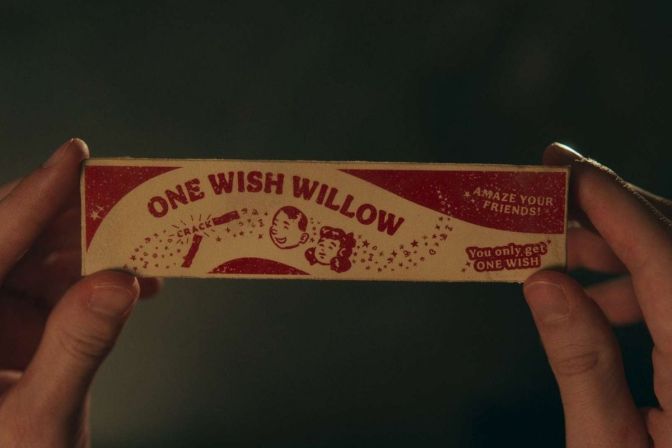
That’s what makes Bear’s wish so flawed. The problem isn’t the One Wish Willow itself, but his own view of a consensual relationship as fantastical romance. Once the wish, that Nikki would love him “more than anyone in the whole fucking world,” takes effect, she’s possessed by something else entirely, because that’s the only way the wish would come true.
It’s not that Nikki wasn’t capable of loving him, it’s that Bear wished for her to give him an unrealistic amount of love. It’s a reflection of his own view of love: He’s obsessing over Nikki, and his wish is projected onto her. Bear’s own shy insecurity covers the darker side that Wish Nikki brings to the surface. In Barker’s original script, you get an even better sense of the characters’ motivations – especially Bear’s obsession:
“Bear clings tightly to Nikki. He lives for moments like this.” “Bear can’t keep his eyes off of her.” “He aches to kiss her.”
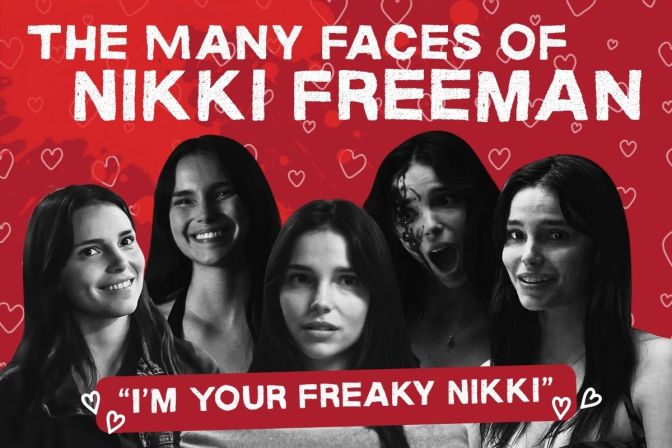
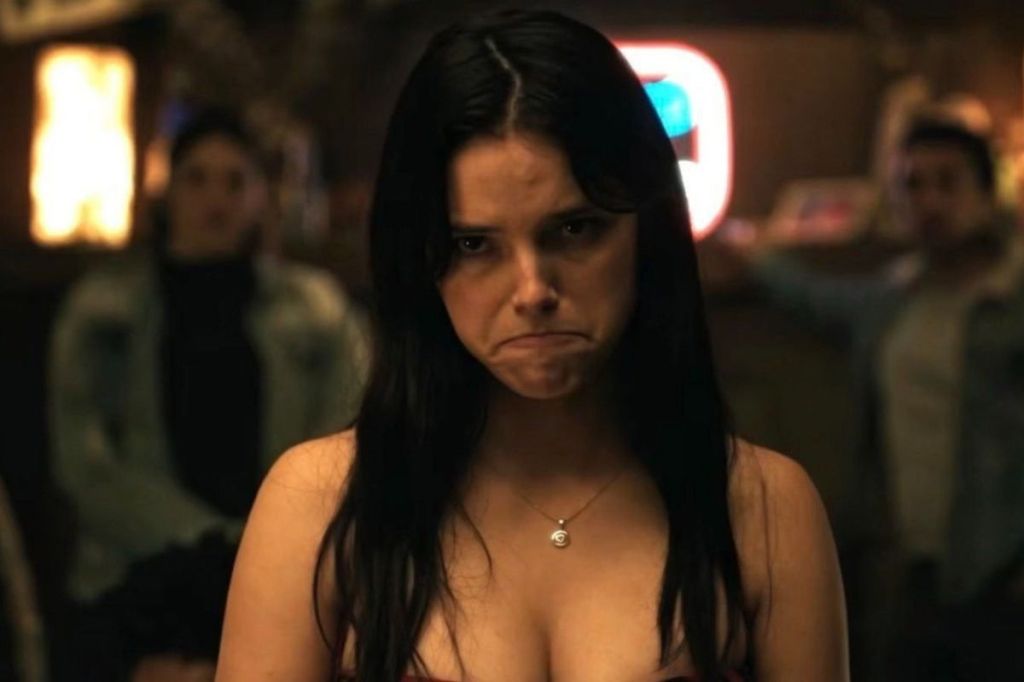
You can see how things change almost instantly. Nikki is all over the place as her brain is rewired to support Bear’s wish. Navarrette’s performance is one for the ages, and the film wouldn’t work without her. She nails the back-and-forth of both the flirty girl-next-door and the deranged jealous girlfriend, creating unpredictable tension as Real Nikki and Wish Nikki collide. Bear is perplexed, and Wish Nikki is disappointed in his reaction.
To all of us watching, she’s acting strange, but to Nikki, she’s confused that Bear isn’t head-over-heels for her the way she is for him. As Obsession continues, her obsession only grows, and Bear just goes along with it.
“She looks desperate, clinging on for dear life. Then her face morphs to pure affection, then panic again. Bear is frightened and miserable.”
One of my favorite scenes in the film is the montage where Bear and Nikki begin their romance – not because of their sappy romance, but because it foreshadows something much more sinister. In this scene, they look perfectly happy, the key word being “perfectly.” Again, it’s a credit to Navarrette’s performance, as in the next scene, Nikki’s dark side starts to ooze out. During a date at a restaurant, Bear questions her over a lie, and she loses it. Just seconds after telling Bear she loves him “so, so, so, so much,” she’s lashing out: “No, no, no, don’t do that! I thought we were having a nice date!” Sheesh.
Things will only deteriorate from there: Nikki cuts off locks of his hair, watches him while he sleeps, and even duct-tapes his door shut to keep him from leaving. It may seem extreme to us, emblematic of the “crazy” or “possessive” girlfriend, but the cognitive dissonance only makes Nikki unravel more. “Why don’t you love me as much as I love you?” Nikki says, not understanding that this is impossible for Bear.
It’s a lesson that Bear had to learn the hard way. He may not have made the wish with ill intentions (he didn’t know the One Wish Willow would even work), but once he has to face the music, he becomes the film’s true antagonist. “You wished for this,” Nikki says after killing their friend Sarah in a jealous rage. His sick view of a love story as his own selfish romantic fervor – not a consensual relationship but a one-sided obsession – turns a fantasy into a nightmare. It morphs Nikki into a programmed means of living out his fantasy, not a human being able to choose for herself.
“Nikki’s expression shifts like a robot on default, her smashed-up face adding to the unsettling nature.”
But Bear isn’t downright evil. That’s what makes Obsession so terrifying. He’s not the typical horror villain à la Michael Myers or Chucky. He’s your average 25-year-old man with a crush, the only difference is that he’s capable of ruining his crush’s life. It’s supernatural horror at its finest, but it’s also holding up a mirror to all of us – and there’s an entire generation of men navigating the same romantic struggles as Bear. Thankfully they aren’t armed with One Wish Willows, or else they might make the same mistake. It’s up to us to learn the right lessons.
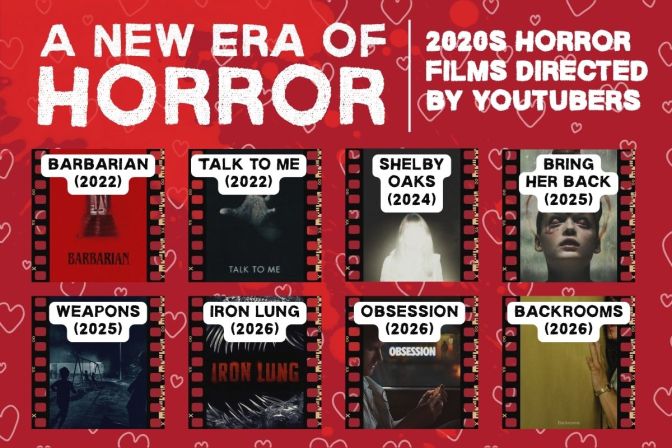
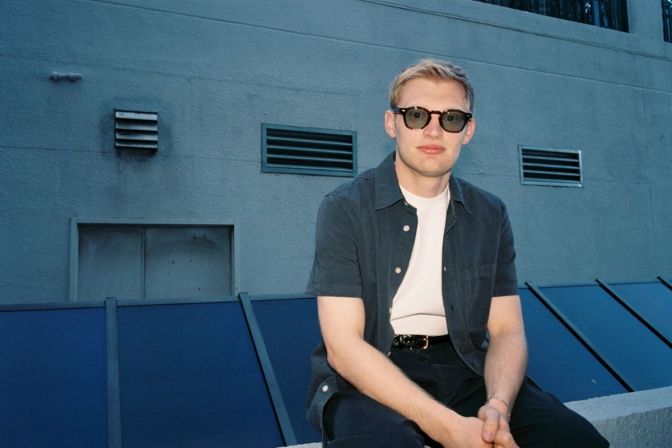
As Obsession’s director, Barker fits right into the audience’s demographic. He’s new to filmmaking, but he’s no stranger to online content, making his start doing comedy videos on YouTube. It’s a new trend we’re seeing in the horror genre, from Zach Cregger’s Barbarian and Weapons to the recent release of Kane Parsons’ Backrooms – which has since toppled Obsession from the top spot in the box office.
There’s something about comedians dabbling in horror that works well. After all, comedy and tragedy are the classic Shakespearean genres. Obsession, however, is on a different level of its peers – not just in terms of quality, but in emotional depth. It’s a product of Gen Z that Gen Z was desperately longing for. You could say they’re, well…obsessed.
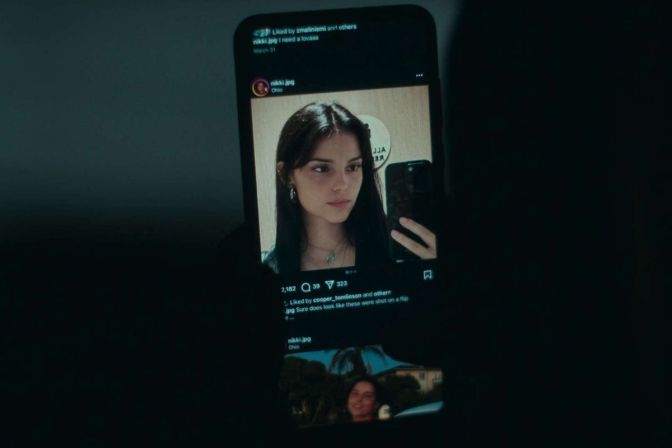
After all, young men are feeling the consequences of the male loneliness epidemic, and they’re suffering mentally from the addictive overload of social media. Barker may not beat you over the head thematically, but his intentions are clear. Obsession is an extremely dark and lonely movie. Barker intentionally framed a lot of space around the characters, creating a staggering sense of loneliness. Bear’s obsession with Nikki only grows as he doomscrolls her social profiles, technology reinforcing the idealized image we have of others.
Obsession offers its own commentary on consent and bodily autonomy, but it expertly balances its storytelling and thematics with a harrowing tale that leaves you with more questions than answers. No film this decade has accomplished such a feat with so small a budget. Barker believes modern horror audiences are smart, and he’s right.
Barker has accomplished the rare feat of scripting two genuine leads in Bear and Nikki who are empathetic and complex. You aren’t watching them from afar, you are right there with them – along for one terrifying ride. That’s what makes the film linger so long after it’s over. You aren’t simply laughing at Wish Nikki’s over-the-top outbursts, you’re also feeling awful for Real Nikki. You’re rooting for Bear to get the girl, then you’re resenting his decisions to keep Nikki trapped in his wish. Bear just cannot let go of his obsession.
Men are lonelier than ever. We don’t talk about our mental health, we’re afraid to open up, and we maintain few emotionally intimate friendships. We’re looking for happiness in all the wrong places, and we’re often wrought over unrequited love – an obsessive disorder the chronically online call “oneitis.”
Whether or not Barker can relate, he expertly articulates this feeling with Bear, who clearly has “oneitis” for Nikki – leading up to his wish, he cannot stop thinking about her. He’s desperate for the cure to his emptiness and thinks his crush can fill the void in his heart.
“Bear forces a smile, listening to the gang. His gaze keeps returning to Nikki, despite attempts to look away.”
One Wish Willows don’t exist, but there’s no shortage of imperfect solutions to fill that void. I’m not just talking about pornography, either. Men are looking for something deeper than that. They crave a love story, but they’re lost in romance in a digital age.
On the same platform where Barker has spent the past several years making videos, there’s an entire subculture of ASMR videos that reinforce our romantic fantasies. You’ll find videos titled “ASMR Girlfriend Pampers You,” “ASMR Friends to Lovers,” and “ASMR Jealous Girlfriend.” Yet, these “girlfriends” are just as real as Wish Nikki. They’re characters, just like in any form of media, but the danger is when you try to make it real – as Bear does in Obsession.
So much media in the past few decades has been told from the male gaze, from romantic comedies where women are simply plot devices for men’s romantic affection, to breakup songs that pit the man as the victim and the woman as the problem. Don’t get me wrong, I’ve been emo as long as I can remember, but I can acknowledge how male-centric the scene has been historically. Fittingly, Navarrette found catharsis singing along to Paramore, one of pop-punk’s few female-fronted bands, on her way home from the set.
Obsession is a film about a new era: one where consent is part of the conversation, where women are human beings with feelings, where the patriarchy victimizes both women and men. Through the One Wish Willow, the film checks all of the boxes – by grossly violating them. Obsession is a brutal watch, one that forced me to confront my own romantic bullshit. But I’m glad it did, and I hope both men and women take the right lessons from it (though it sounds like some male viewers are missing the point).
Men should be able to tell their male friends they love and care about them without saying “no homo.” Men should also be able to maintain platonic relationships with women without fear of being “in the friendzone.” Friendships can – and should – be spaces where you can open up without fear of judgment.
Pre-wish, Bear and Nikki had something special, romantic or not. Their friendship is deep and intimate. They talk on the phone (yes, Gen Z indeed does that). They share their hopes and dreams with one another. But Bear is still struggling. He doesn’t appear to have any interests or hobbies – apart from a random aside about wanting to be a food critic that Wish Nikki latches onto. His only male friendship on screen (with Ian, who is also revealed to be sleeping with Nikki) is noticeably shallow.
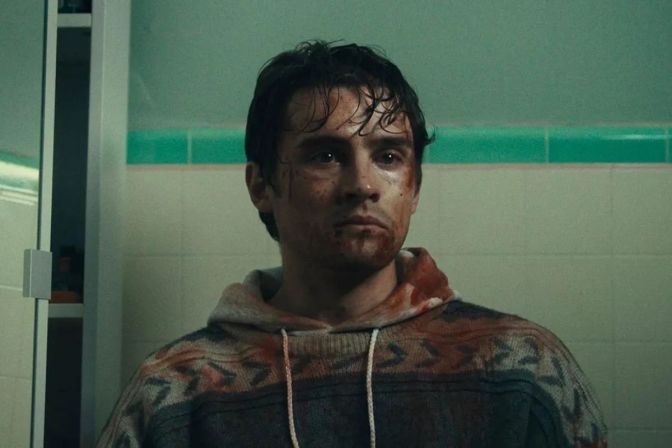
“Bear’s eyes well up. What happened to his friend? Nikki cries, tears streaking pink over dried blood.”
When your meaningful relationships are scarce, that’s when obsession can fester. Too many young men have the belief that the perfect woman will come along and save them from their loneliness. They think their depression and heartache would be cured by the relationship they crave. They think liking someone entitles you to them. You can tell this is where Bear is, and I once felt this exact way. It’s essentially the “knight in shining armor” concept reversed, like a “Princess Charming” to come rescue them from their bondage. It’s an antiquated concept that works only in fairytales.
Bear is capable of being vulnerable. You can see it during his speech in the opening of the film, where he rehearses confessing his feelings to Nikki. But it also reveals the unhealthy obsession with her he’s created in his head.
Nikki shouldn’t be put on a pedestal either. That’s not fair to her. She’s just a person, flaws and all. Bear failing to see her as a human being both reinforces his unrealistic view of love and puts her in an unfair spot. It leads to his wish creating an unrealistic version of her he can’t live up to, and it essentially turns her into his sex toy to live out his fantasy. I’ve spent much of this article focusing on the male perspective, but being friendzoned can harm the woman as much – or more – than the man. Men are afraid of being rejected, women are afraid of being assaulted or killed.
Bear is a hopeless romantic, and I’ve been there too. You’ fall for the idea of romance and not the’re actual person. But this also turns him into the film’s eventual antagonist. The original script confirms he’s grown complacent in his unhealthy mindset:
“Bear’s eyes tell the story of a man who yearns for love but enjoys wallowing in his disappointments.”
He’s not in a place to maintain a healthy relationship, and thus deserves the manufactured, toxic relationship with Nikki he receives. Depression and heartbreak come from the same place: sadness over a better reality you wished you could have. Only in Obsession, Bear was armed with an actual “wish.”
All Bear had to do was tell Nikki how he felt, and this all could’ve been avoided. Does Nikki have the same feelings for Bear? Everyone is asking this burning question, but they’re missing the point. Nikki says Bear is the only one she can talk to, but doesn’t seem thrilled that he got her a gift. She wants to know if Bear likes her, but she told Sarah she thinks about him as a “little brother.” The debates could go on and on.
It doesn’t matter, though, because the point is not whether or not Nikki likes Bear, but that his removal of her autonomy keeps him from ever knowing if she does. Even if Nikki thinks of Bear as a “little brother,” as Wish Nikki insinuates during her deranged Hansel and Grettel speech during a party, that’s still a beautiful thing that Bear should cherish. Getting rejected is a terrible feeling, but there’s no shortcuts to dealing with it – and that’s what Bear ultimately chooses with his wish.
Bear continually acts cowardly during the film. He’s given several opportunities to step up to the plate, and he fails repeatedly. Even after Nikki’s descent into madness, he goes along with it, despite how much Nikki is clearly suffering. It’s only when he starts to suffer that he decides to free her from the spell – and even after overdosing on pills, he tries to throw them up.
“Bear, lost in thought, realizes his yearning for her overshadows all. Her actions, her lies — it all fades, only her presence matters.”
Obsession is a brutally tragic film. It’s the rare horror flick that breaks your heart into a thousand pieces. It’s also the rare moviegoing experience that’s caused me to reflect on my own experiences. I hope audiences are able to connect with Obsession as deeply as I did, reflecting on their own experiences with love – requited and unrequited.
I also hope audiences find the true love story that Obsession never gives us, because everyone deserves something real – without making it their crush’s problem.
Featured Image Credit: Focus Features
Still obsessed with Obsession? Check out my playlist of songs inspired by the film, from the original soundtrack to emo and pop hits about tumultuous romance.


